
E-Commerce SEO in Karachi: A 2026 Playbook for Online Stores That Want to Rank
Running an online store in Karachi today means competing in one of South Asia’s fastest-growing digital markets. E-commerce SEO in Karachi is no longer optional — with thousands of new Shopify, WooCommerce, and Daraz-adjacent storefronts launching every quarter, the brands that rank on Google’s first page are the ones that get the orders. Everyone else is paying for traffic they could be earning for free.
This guide walks through what actually moves the needle for Karachi-based online retailers in 2026 — from technical fixes to content structure to the local signals that search engines increasingly reward. If you sell anything from unstitched fabric to mobile accessories out of Saddar, Tariq Road, or a warehouse in Korangi, this is written for you.
Why E-Commerce SEO in Karachi Looks Different From Everywhere Else
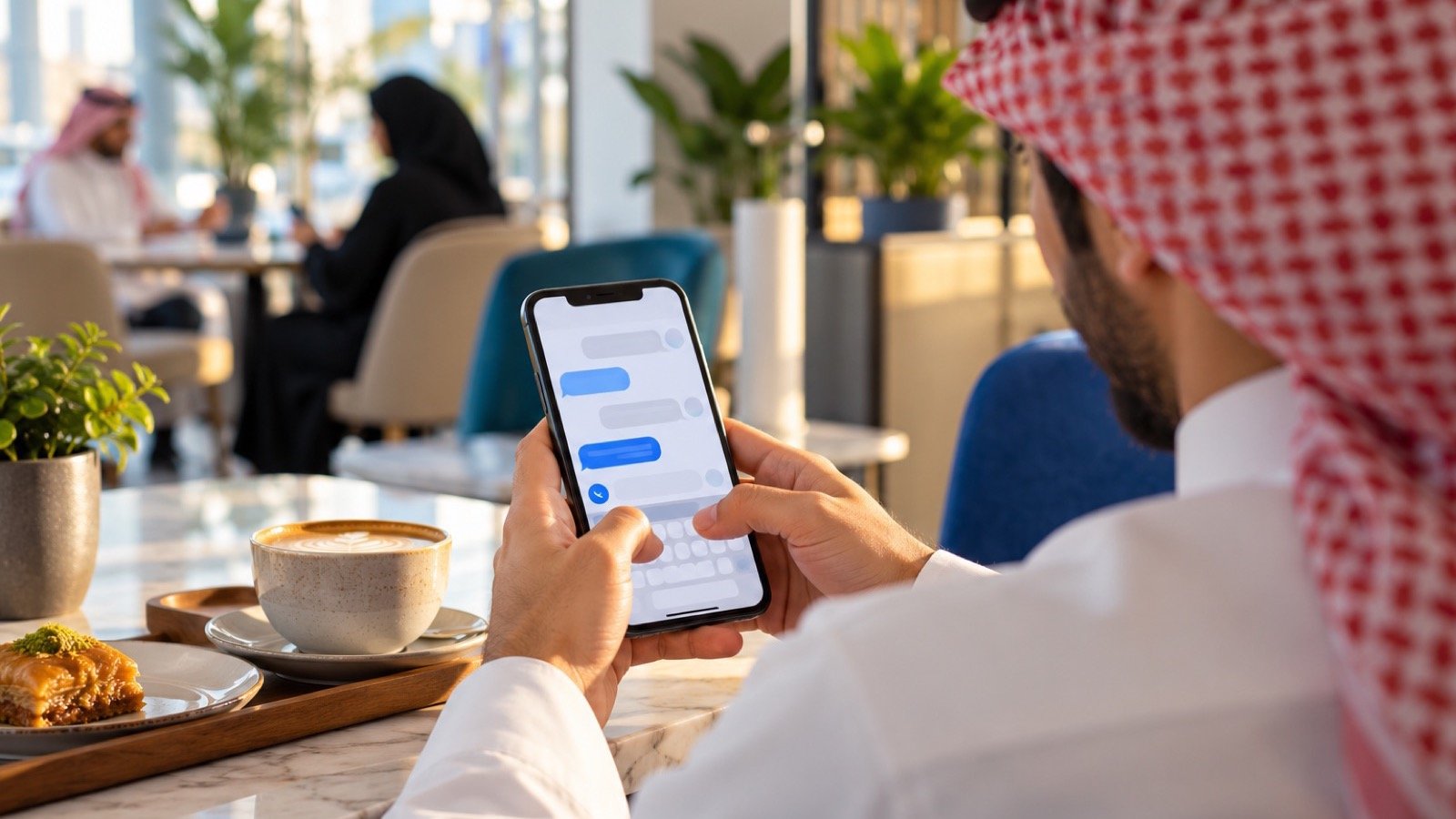
Pakistan’s e-commerce buyers behave differently from Western shoppers. Mobile-first browsing dominates — over 90% of Karachi traffic to most storefronts arrives on a phone, often on a throttled 4G connection during peak evening hours. That single fact changes your entire SEO priority list: page speed and Core Web Vitals aren’t a nice-to-have, they’re the difference between a sale and an abandoned cart.
Trust is also a bigger hurdle here than in mature markets. Cash-on-delivery culture, cautious first-time online buyers, and a crowded field of look-alike stores mean your SEO content has to do double duty — rank well AND reassure the visitor they’re buying from a real, reliable business.
The Technical Foundation Most Karachi Stores Skip
Before writing a single blog post, fix the plumbing. Most underperforming stores we review share the same three gaps:
- Unoptimized product images — multi-megabyte JPEGs straight from a phone camera, tanking load time on 4G.
- Duplicate product descriptions copied from suppliers, which Google treats as thin or duplicate content.
- Missing schema markup — no Product, Review, or Breadcrumb structured data, so listings miss out on star ratings and price snippets in search results.
- No canonical tags on filtered/sorted category URLs, causing index bloat and keyword cannibalization.
Fixing these alone typically lifts organic visibility within 6–8 weeks, before a single new piece of content goes live.
Building a Keyword Strategy That Matches How Karachi Actually Searches
Generic global keyword tools underweight Urdu-English code-switched queries like “sasta mobile cover Karachi” or “best lawn suits online Pakistan.” A proper local keyword strategy blends:
- High-intent transactional terms (“buy,” “price,” “order online”) paired with product and city names.
- Comparison and “best of” queries, which Pakistani shoppers rely on heavily before a first purchase from an unfamiliar store.
- Long-tail, size/color/variant-specific phrases that convert at a far higher rate than broad category terms.
This is exactly the kind of structured strategy a specialist team brings to the table. A Top Marketing Agency Karachi works through this layered approach daily, mapping keyword clusters against actual product catalogs rather than relying on generic SEO templates that ignore local buyer language.
Is On-Page SEO Still Enough to Rank an Online Store in 2026?
No — on-page work is necessary but no longer sufficient. Google’s algorithm has shifted hard toward experience signals: dwell time, return visits, and genuine product reviews now carry real ranking weight. A perfectly optimized title tag on a store with zero reviews and a 6-second load time will still lose to a slightly less “optimized” competitor that customers actually trust and stay on.
That means your SEO roadmap in 2026 has to include a review-generation system, a fast CDN-backed hosting setup, and content that answers real pre-purchase questions — sizing guides, fabric-care instructions, delivery timelines — not just keyword-stuffed category blurbs.
Content That Converts: Category Pages vs. Buying Guides
Category pages should be lean, fast, and keyword-targeted, but they rarely answer the deeper questions that turn a browser into a buyer. That’s the job of supporting buying-guide content — comparison posts, “how to choose” articles, and seasonal gift guides that funnel traffic into your category and product pages via internal links.
| Page Type | Primary Goal | Ideal Word Count | Key SEO Element |
|---|---|---|---|
| Homepage | Brand trust + navigation | 300–500 | Organization schema, fast LCP |
| Category page | Rank for product-type keywords | 400–700 | Unique intro copy, breadcrumb schema |
| Product page | Convert the visitor | 250–400 | Product schema, reviews, FAQs |
| Buying guide / blog post | Capture top-of-funnel search traffic | 1,000–1,500 | Internal links to product pages |
A well-built buying guide can also link out to credible context — for instance, pointing readers toward reliable local experts when a post touches on logistics, delivery partners, or relocation-adjacent topics relevant to cross-border shoppers.
Local Signals That Still Matter for Online-Only Businesses
Even a purely online store benefits from local SEO signals: a verified Google Business Profile listing the warehouse or office address, consistent NAP (name, address, phone) citations across Pakistani business directories, and localized content mentioning Karachi neighborhoods your delivery riders actually cover. These signals help Google associate your brand with the city, which matters increasingly for “near me” and city-qualified product searches.
Link Building for E-Commerce Without Getting Penalized
Link building remains one of the highest-leverage — and most misunderstood — levers for e-commerce SEO. Buying hundreds of low-quality links or relying on link farms puts your entire domain at risk under Google’s spam-link algorithms. The safer, more durable path is editorial placements: guest content on relevant blogs, supplier partnerships that link back, and PR mentions tied to real news (a new collection launch, a milestone, a charitable initiative).
According to Google’s own Search Essentials documentation, sites should focus on creating people-first content and earning links naturally rather than manipulating link signals — a standard that applies just as much to a Karachi fashion store as it does to a global retailer.
For most store owners, the honest answer is that SEO and link building take more hours than running the store itself. That’s why many growing Karachi e-commerce brands eventually bring in a Marketing Agency Karachi to handle the ongoing technical audits, content calendar, and outreach work while they focus on sourcing and fulfillment.
Frequently Asked Questions
How long does e-commerce SEO take to show results in Karachi’s market?
Most stores see measurable movement in rankings and organic traffic within 3–4 months, with compounding growth from month 6 onward as content and backlinks accumulate. Highly competitive categories like mobile accessories or fashion take longer than niche products.
Is Urdu or English content better for SEO in Pakistan?
Primarily English with natural Urdu/Roman-Urdu phrases woven in performs best, since most search volume for commercial queries in Pakistan is still in English, but buyer intent language often mixes both.
Do I need a blog if I only sell products?
Yes. Product and category pages alone rarely rank for top-of-funnel informational searches. A blog of buying guides and comparisons is usually the single biggest driver of new organic traffic for Karachi online stores.
What’s the single highest-impact SEO fix for a slow Karachi store?
Image compression and a CDN. Given how much Karachi traffic is mobile-4G, cutting load time by even one second can meaningfully reduce bounce rate and lift both rankings and conversions.
Final Thoughts
E-commerce SEO in Karachi in 2026 rewards stores that combine technical speed, locally-aware keyword research, trust-building content, and clean, earned backlinks. Skip any one of these and growth stalls, no matter how good the products are. Start with the technical audit, build out buying-guide content around real customer questions, and treat link building as a long game rather than a shortcut — the stores doing this consistently are the ones pulling ahead in Karachi’s crowded online retail space this year.