Dry Storage in Riyadh: The Complete 2026 Warehousing Playbook
Riyadh is no longer just the Kingdom’s capital; it is its fastest-growing commercial engine. As businesses relocate headquarters, distribution centres, and e-commerce operations to the central region, demand for dry storage in Riyadh has surged. If you sell physical products and want them stored safely inland, away from coastal humidity, this playbook is for you.
Below you will learn how dry storage works in a desert climate, how it compares with ambient and coastal options, what to look for in a facility, and the mistakes that quietly drain budgets. Let us get practical.
Why dry storage in Riyadh suits inland businesses
Riyadh’s central-desert position gives it a natural advantage: low ambient humidity for most of the year. That makes it easier and cheaper to keep goods free of moisture damage than on the Gulf or Red Sea coasts. The challenge instead is heat, with summer highs that can degrade sensitive stock if a warehouse is poorly insulated.
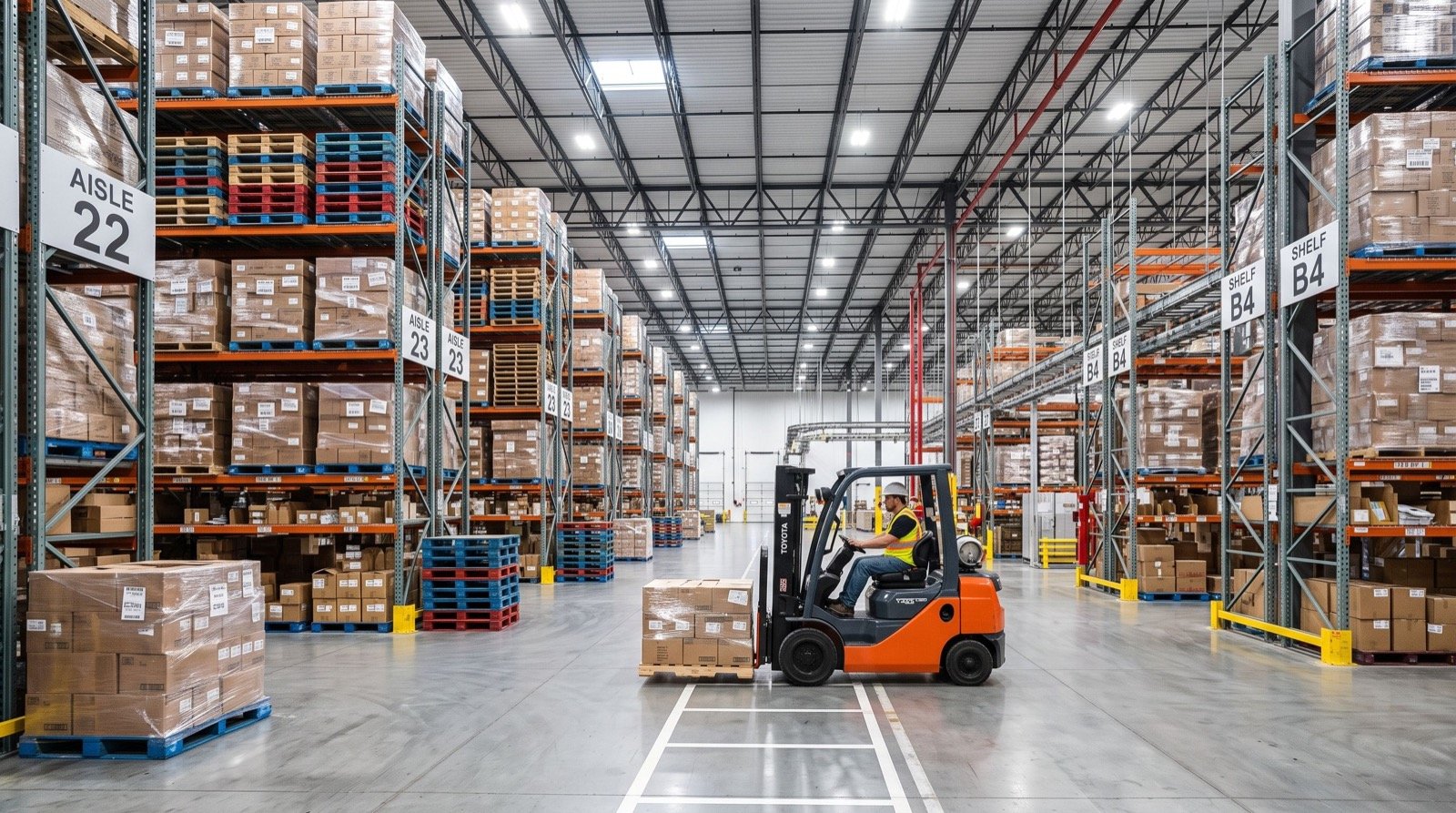
A well-run facility offering Dry Storage in Riyadh solves this with reflective roofing, insulation, ventilation, and shaded loading zones. The result is stable, moisture-free conditions for packaged food, spare parts, cosmetics, textiles, and general merchandise all year round.
Products that thrive in Riyadh dry storage
- Dry and packaged food, grains, and beverages
- Cosmetics, toiletries, and personal-care lines
- Automotive and machinery spare parts
- Apparel, footwear, and home textiles
- Stationery, packaging, and promotional materials
Dry storage vs ambient and coastal options
Many business owners use dry and ambient interchangeably, but the difference affects both cost and product safety. The table below sets them side by side so you can match the right solution to your goods.
| Option | Climate handling | Energy cost | Ideal location |
|---|---|---|---|
| Dry storage | Active moisture + heat control | Low to medium | Riyadh, central region |
| Ambient storage | Room temperature, light control | Low | Mild-climate sites |
| Coastal warehousing | Heavy anti-humidity systems | Medium to high | Jeddah, Dammam |
| Chilled storage | Full refrigeration | High | Any, for perishables |
If your supply chain spans the west coast, pair your central hub with Ambient Storage in Jeddah so stock sits closer to the Red Sea ports before onward shipping. A two-node setup like this often beats one distant mega-warehouse on both speed and cost.
How do you choose a dry storage facility in Riyadh?
The best facility is the one that fits your product, your turnover, and your growth plans. Use this checklist before signing anything.
- Insulation and ventilation. Ask how they manage summer heat and request temperature logs.
- Location. Proximity to ring roads and industrial districts shortens delivery runs.
- Security. CCTV, fire suppression, and access control must be standard.
- Scalability. Can you add or release space monthly as demand shifts?
- People. An experienced local team that knows central-region logistics prevents avoidable delays.
The 2026 outlook for Riyadh warehousing
Riyadh’s logistics footprint is expanding fast as part of the Kingdom’s drive to become a global trade hub. The national Vision 2030 program is funding new logistics zones and transport corridors around the capital, bringing modern, well-specified warehouse stock online in 2026.
For tenants, more supply means more negotiating power: shorter leases, better-equipped units, and value-added services like pick-and-pack and inventory reporting bundled into the rate. The era of taking whatever dusty warehouse was available is ending.
A tip most tenants miss
Measure your stock’s true footprint in pallet positions, not square metres, before you negotiate. Many Riyadh businesses overpay because they lease floor area while thinking in cartons. Converting to pallet-position pricing often reveals you need 20% less space than you assumed, money better spent on faster dispatch.
Common dry storage mistakes to avoid
- Signing a 12-month lease before testing summer performance
- Ignoring pest control until stock is already contaminated
- Mixing fast and slow movers in the same hard-to-reach bay
- Skipping goods-in-storage insurance to save a few riyals
- Failing to label SKUs in both Arabic and English
Using technology to run a leaner Riyadh warehouse
The gap between an average warehouse and a great one is increasingly digital. Barcode and RFID scanning, cloud inventory dashboards, and automated reorder alerts turn a static storeroom into a responsive fulfilment engine. In Riyadh’s fast-moving market, that responsiveness is often what keeps a growing brand ahead of its rivals.
Live stock visibility matters most. When you can see exactly what sits on every bay from your phone, you stop over-ordering, spot slow movers early, and promise customers accurate delivery dates. Ask any prospective facility whether its system gives you self-service access or keeps you waiting on emailed reports.
Automation also cuts labour strain during peak periods. Simple tools such as handheld scanners and pick-path optimisation reduce walking time and picking errors, so the same team ships more orders without burning out. These gains compound quietly across a busy year.
Planning for seasonal demand in the capital
Riyadh’s retail calendar has sharp peaks, from Ramadan and Eid to back-to-school and national-day promotions. Businesses that plan storage around these spikes avoid both stockouts and the cost of permanently oversized space.
The smart move is a flexible core-plus-surge model: lease a steady base of space year-round, then expand temporarily for known peaks. A provider offering monthly top-up units lets you ride demand waves without locking into capacity you only need a few weeks a year. Map your calendar now and share it with your warehouse partner so space is ready before the rush, not scrambled for during it. Build in a small safety margin as well, because demand forecasts in a fast-growing capital like Riyadh rarely land exactly on target, and a little spare capacity is far cheaper than a missed sale.
Frequently Asked Questions
Is dry storage in Riyadh cheaper than coastal storage?
Often yes. Riyadh’s low natural humidity reduces the anti-moisture equipment needed, so energy and maintenance costs can be lower than at humid Gulf or Red Sea sites.
Can dry storage handle Riyadh’s summer heat?
A properly built facility can. Insulation, reflective roofing, and ventilation keep internal temperatures stable even when outdoor highs peak, protecting heat-sensitive stock.
How quickly can I start storing goods?
With flexible 2026 operators, onboarding can take days rather than weeks. Confirm inbound scheduling, labelling rules, and insurance before your first delivery arrives.
Do I need separate storage for perishables?
Yes. Dry storage is for non-perishable goods. Anything requiring chilling or freezing must go into dedicated temperature-controlled zones to stay safe and compliant.
Conclusion
Dry storage in Riyadh gives inland businesses a cost-effective, climate-smart way to protect inventory as the capital’s economy accelerates through 2026. Match the facility to your products, think in pallet positions, test before you commit, and lean on a knowledgeable local team. Get the fundamentals right and your central-region warehouse becomes a growth asset rather than a cost centre.